
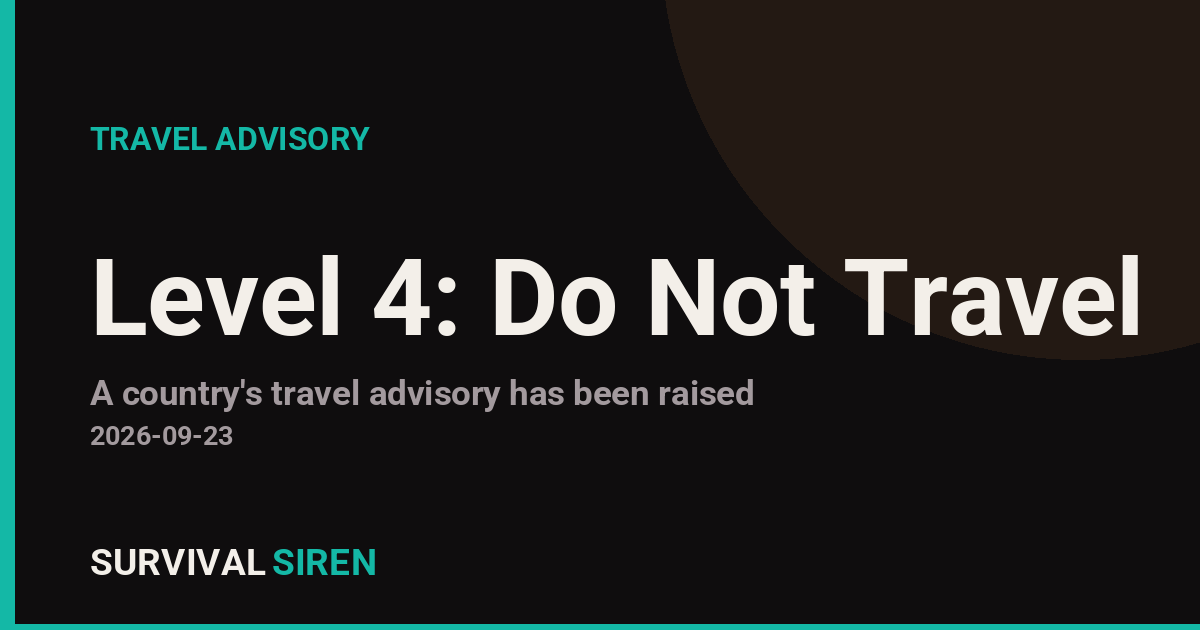
The U.S. State Department has raised its travel advisory for Libya to Level 4, the highest of its four-tier warning system. Level 4 means “Do Not Travel” — Americans are being told not to go to Libya for any reason.
The advisory cites multiple serious risks: crime, terrorism, civil unrest, kidnapping, landmines, and significant health concerns. Libya has experienced ongoing instability and intermittent armed conflict between rival factions for years, and conditions on the ground can change quickly with little warning.
One detail matters more than the rest: there is currently no U.S. Embassy operating in Libya. That means if an American citizen runs into trouble there — an arrest, a medical emergency, a lost passport — the U.S. government cannot provide emergency assistance. Routine consular services for Libya are handled by the U.S. Embassy in Tunis, Tunisia, which is only an option for those who can safely reach Tunisia.
Who is affected and what to do
This advisory applies to all U.S. citizens considering travel to Libya, including journalists, aid workers, and those with family ties there. Americans already in Libya are encouraged to leave using available commercial options while they still exist, and to enroll in the State Department’s Smart Traveler Enrollment Program (STEP) so officials can reach them with updates.
If you or a family member is currently in Libya, practical steps include: confirming a viable departure route (commercial flights operate from Tripoli and Benghazi but schedules can change), keeping travel documents and medications accessible, and making sure someone stateside has a copy of your itinerary and documents. Anyone needing consular help should contact the U.S. Embassy in Tunis.
Watch-items going forward: monitor commercial flight availability from Libyan airports, keep an eye on any further State Department updates, and check whether your travel insurance covers trips taken against a Level 4 advisory — most policies do not.
Data for this alert comes from the U.S. Department of State’s official travel advisory system.
Frequently Asked Questions
What does Level 4 actually mean?
Level 4 is the State Department's most severe travel warning, advising Americans not to travel to the country for any reason due to life-threatening risks. In Libya's case, the risks cited include crime, terrorism, unrest, kidnapping, and landmines.
I'm an American currently in Libya. What should I do?
The State Department advises departing via commercial transportation while it remains available, since there is no U.S. Embassy in Libya and no emergency assistance can be provided. For consular help, contact the U.S. Embassy in Tunis, Tunisia.
Can the U.S. government evacuate me if things get worse?
No — with no embassy operating in Libya, the U.S. government cannot offer emergency services or evacuations there. Travelers should not count on government rescue and should have their own departure plan.
Will my travel insurance still cover me?
Most travel insurance policies exclude coverage for travel to countries under a Level 4 'Do Not Travel' advisory. Check your specific policy before booking or departing.
Keep tracking this:
Source: U.S. Department of State
Related Reading
Sky & Solar Conditions at the Time
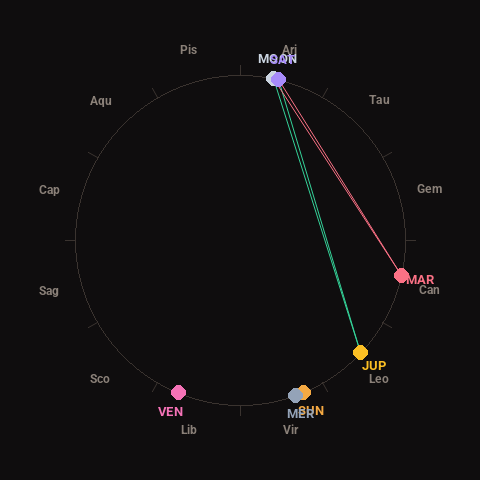
Moon: Waning Gibbous (91% illuminated), in Aries.
Notable planetary angles: Jupiter trine Saturn (120°), Moon square Mars (91°), Mars square Saturn (89°), Moon trine Jupiter (121°).
Concurrent space weather: planetary Kp index 1.0; strongest recent solar flare: nothing notable.
This is a factual snapshot, not a claim of cause and effect – researchers are divided on whether lunar, planetary or solar factors influence seismic or weather activity. It’s included so readers can track the pattern for themselves over time.