
The U.S. State Department has raised its travel advisory for Iraq to Level 4 — “Do Not Travel” — the highest warning level it issues. The advisory cites terrorism, kidnapping, armed conflict, crime, and health risks, and states plainly that Americans should not travel to Iraq for any reason.
A Level 4 advisory means the U.S. government has determined the risks are too severe for ordinary travel. A key point in this advisory is practical, not just political: the U.S. government has limited ability to provide emergency services to U.S. citizens in Iraq. That means if an American is injured, detained, kidnapped, or caught in violence, the U.S. embassy may not be able to respond the way it would in most other countries. The advisory also notes that the Iraqi government cannot guarantee the safety of U.S. citizens against sudden outbreaks of violence and armed conflict.
Who this affects
This advisory applies to all U.S. citizens considering travel to Iraq, including people planning business trips, journalism, humanitarian work, or family visits. U.S. government employees in Iraq already face strict travel restrictions within the country, which reflects how limited movement and support options are on the ground.
What readers might notice: airlines and tour operators may cancel or reroute itineraries, travel insurance policies often exclude coverage in Level 4 countries, and anyone currently in Iraq may face difficulty arranging commercial departures if conditions worsen quickly.
Sensible steps to consider:
1. If you have travel planned to Iraq, postpone or cancel it. Rebooking now, before conditions shift, is far easier than arranging an emergency departure later.
2. If a family member or colleague is currently in Iraq, make sure they are enrolled in the State Department’s Smart Traveler Enrollment Program (STEP) so they receive security updates and can be contacted in an emergency.
3. If you must travel to the broader region for essential reasons, review the advisories for neighboring countries and have a clear communication and check-in plan with people back home.
This advisory comes from the U.S. Department of State’s Bureau of Consular Affairs, which issues and updates travel advisories for every country.
Frequently Asked Questions
What does Level 4 actually mean?
Level 4, "Do Not Travel," is the State Department's highest advisory level. It means the risk of life-threatening danger is significant and the U.S. government may be unable to help you in an emergency.
Is it illegal for me to travel to Iraq now?
No. A travel advisory is a strong warning, not a legal ban. However, travel insurance may not cover you, flights may be limited, and the U.S. embassy's ability to assist you in Iraq is very limited.
A family member is currently in Iraq. What should they do?
They should enroll in the Smart Traveler Enrollment Program (STEP), stay in contact with the U.S. Embassy in Baghdad, and make plans to depart via commercial means while those options remain available.
Will this advisory change soon?
Advisories are reviewed regularly and updated as conditions change. Travelers should check the State Department's current advisory for Iraq before making any plans, since the level can be raised or lowered at any time.
Keep tracking this:
Source: U.S. Department of State
Related Reading
Sky & Solar Conditions at the Time
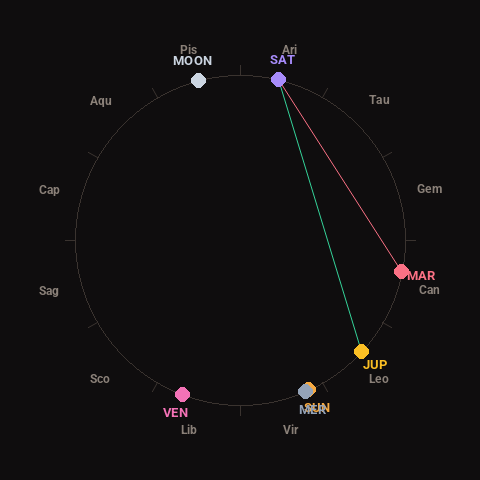
Moon: Full Moon (99% illuminated), in Pisces.
Notable planetary angles: Jupiter trine Saturn (119°), Sun conjunct Mercury (1°), Mars square Saturn (88°).
Concurrent space weather: planetary Kp index 1.0; strongest recent solar flare: nothing notable.
This is a factual snapshot, not a claim of cause and effect – researchers are divided on whether lunar, planetary or solar factors influence seismic or weather activity. It’s included so readers can track the pattern for themselves over time.