
The National Weather Service office in Tallahassee has issued a Flash Flood Warning for Gadsden and Leon counties in the Florida Panhandle. The warning was issued at 8:53 PM EDT on October 5 and remains in effect until 11:15 PM EDT.
A flash flood warning means flooding is already happening or is about to happen — this is more urgent than a flood watch. Heavy rainfall over a short period can overwhelm storm drains, small creeks, and low-lying roads quickly, especially at night when water on the roadway is hard to see.
What you might notice
Residents in and around Quincy, Tallahassee, and surrounding communities in Gadsden and Leon counties may see rapidly rising water on roads, water covering low-water crossings, ditches and small streams spilling over, and ponding in yards, parking lots, and underpasses. Urban areas with poor drainage are especially vulnerable during intense downpours.
Who is affected
The warning covers two areas: Gadsden County and Leon County, Florida. Anyone traveling through the region tonight, or living near creeks, drainage channels, or flood-prone roads, should take this seriously.
What to do
First, never drive through flooded roads — just six inches of moving water can knock a person down, and a foot of water can carry away a vehicle. Turn around, don’t drown. Second, if you live in a low-lying area or near a creek, move to higher ground and keep your phone charged with weather alerts enabled. Third, avoid walking or playing near floodwater, which can hide debris, open manholes, and contamination.
This alert is based on official data from the National Weather Service (NWS) Tallahassee office, part of NOAA.
Frequently Asked Questions
What should I do right now if I'm in Gadsden or Leon County?
Stay off flooded roads and avoid driving unless necessary until the warning expires at 11:15 PM EDT. If you're near a creek or low-lying area, move to higher ground and monitor local alerts.
How long will this flash flood warning last?
The warning is currently set to expire at 11:15 PM EDT on October 5, but the NWS may extend it if heavy rain continues or issue new warnings for downstream areas.
Is it safe to drive through water on the road if it looks shallow?
No — you can't judge water depth or road condition underneath at night, and as little as 12 inches of moving water can sweep away a car. Turn around and find another route.
What's the difference between a flash flood watch and a warning?
A watch means conditions are favorable for flooding; a warning means flooding is occurring or imminent. This is a warning, so take action now rather than waiting to see what happens.
Keep tracking this:
Source: National Weather Service (NWS)
Related Reading
- Emergency Communication: Staying Connected When Towers Go Down
- Earthquake Survival: Precautions, Kit & Early Warning in 2026
- Essential Guide to Preparing for a Nuclear War
Sky & Solar Conditions at the Time
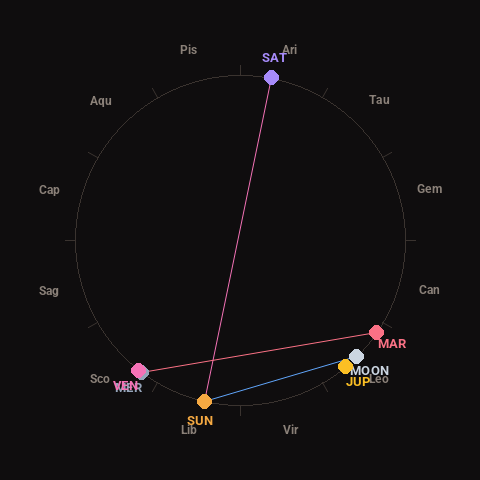
Moon: Waning Crescent (23% illuminated), in Leo.
Notable planetary angles: Mercury conjunct Venus (1°), Sun opposite Saturn (178°), Mercury square Mars (92°), Sun sextile Moon (57°).
Concurrent space weather: planetary Kp index 4.0; strongest recent solar flare: nothing notable.
This is a factual snapshot, not a claim of cause and effect – researchers are divided on whether lunar, planetary or solar factors influence seismic or weather activity. It’s included so readers can track the pattern for themselves over time.