
Pacific Gas and Electric is reporting a large power outage affecting thousands of homes and businesses in southwest Bakersfield, California. Crews have been dispatched, and the utility is working to identify the cause and restore service as quickly as possible.
Residents in the affected area may notice the usual signs of a widespread outage: dark streetlights and traffic signals, closed or cash-only businesses, non-working gas pumps, and interrupted internet or cable service. Traffic lights that are out should be treated as four-way stops. If you rely on powered medical equipment, now is the time to switch to backup power or contact your provider’s emergency line.
At this stage, the cause of the outage has not been officially confirmed. Large outages like this are most often traced to equipment failures, vehicle strikes on power poles, weather-related damage, or a fault at a substation. For readers who follow our space-weather coverage: there is no indication at this time that this outage is connected to geomagnetic storm activity. Grid operators monitor for storm-induced currents, and no such alerts are in effect for this event.
What to keep in mind
If you are in the outage area, a few practical steps apply. Keep refrigerator and freezer doors closed – a full freezer holds safe temperatures for roughly 48 hours, and a fridge for about four hours. Avoid opening your garage manually more than necessary if your car is inside, and know where the manual release cord is. Never run a generator, grill, or camp stove indoors or in a garage; carbon monoxide poisoning is one of the leading causes of injury during outages.
Check on neighbors who are elderly, have young children, or use medical devices, especially if temperatures are extreme. Report your outage directly to PG&E if you haven’t already – individual reports help utilities pinpoint the fault and prioritize crews.
Restoration estimates typically firm up once crews diagnose the problem. Many urban outages are resolved within a few hours, though damage to major equipment can take longer. Watch PG&E’s outage map and local news for updated restoration times.
This alert is based on live outage reporting from PG&E and local officials; restoration estimates will be updated as the utility releases them.
Frequently Asked Questions
How long until power is restored?
No official restoration time has been confirmed yet, since crews must first identify the cause. Most urban outages are fixed within a few hours, but damage to a substation or major line can extend that – check PG&E's outage map for updates.
Is this outage connected to a geomagnetic storm?
There is no indication of that. No geomagnetic storm alerts are in effect, and outages of this type are most commonly caused by equipment failure, weather, or physical damage to lines or poles.
Is my food still safe to eat?
A closed refrigerator keeps food safe for about four hours, and a full freezer for roughly 48 hours. When in doubt, throw perishables out once power has been off beyond those windows.
Should I report the outage if PG&E already knows about it?
Yes – individual reports help the utility map the outage's boundaries and confirm which customers are affected. You can report online, through the PG&E app, or by phone.
Keep tracking this:
Source: KGET.com
Related Reading
Sky & Solar Conditions at the Time
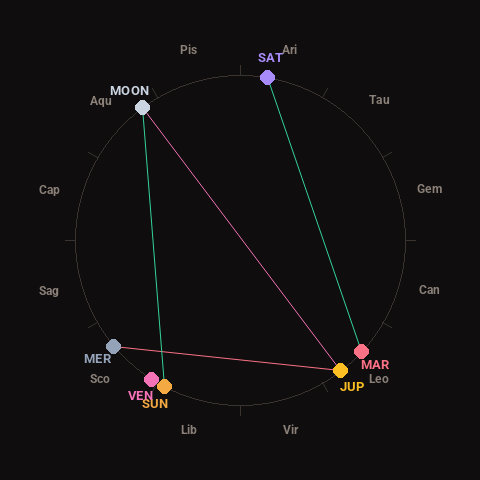
Moon: Waxing Gibbous (72% illuminated), in Aquarius.
Notable planetary angles: Moon opposite Jupiter (179°), Mercury square Jupiter (87°), Mars trine Saturn (123°), Sun trine Moon (116°).
Concurrent space weather: planetary Kp index 3.7; strongest recent solar flare: nothing notable.
This is a factual snapshot, not a claim of cause and effect – researchers are divided on whether lunar, planetary or solar factors influence seismic or weather activity. It’s included so readers can track the pattern for themselves over time.