
A nationwide power outage struck Sri Lanka after a trip at one of the country’s major coal-fired power plants destabilized the national grid, which now relies heavily on solar generation during daylight hours. Authorities have launched an investigation into the failure, which cascaded across the island’s interconnected network and left homes, businesses, hospitals, and traffic systems without electricity.
Events like this happen when a large power station suddenly goes offline: the grid loses a big chunk of supply in an instant, and other generators can’t ramp up fast enough to compensate. Solar-heavy grids are especially vulnerable because solar output varies with cloud cover and time of day, and solar farms alone can’t provide the stabilizing inertia that big spinning generators do. When the balance tips too far, protective systems shut sections of the grid down to prevent equipment damage – which is what turns a single plant failure into a nationwide blackout.
What residents may notice
Anyone in Sri Lanka may experience loss of electricity, disrupted water pumping, failed traffic signals, and interruptions to mobile networks as cell towers run down their backup batteries. Fuel stations without generators may be unable to pump, and shops may close. Restoration typically happens in stages, so some areas may come back hours before others.
Practical steps right now
Keep refrigerators and freezers closed – food stays safe for roughly 4 hours in a fridge and 24-48 hours in a full freezer. Unplug sensitive electronics to protect them from surges when power returns. Use flashlights rather than candles to reduce fire risk, and check on elderly neighbors or anyone dependent on powered medical equipment. If you rely on a generator, run it outdoors only, never inside or near windows, due to carbon monoxide risk.
This outage is a conventional grid failure, not a space-weather event – there is no geomagnetic storm component. Outage and restoration information for this event comes from Sri Lanka’s Ceylon Electricity Board and local authorities; grid-failure alerts of this kind are tracked alongside data from NOAA and national meteorological services.
Frequently Asked Questions
How long until power is restored?
Grid operators typically restore power in phases over several hours after a nationwide blackout, starting with hospitals and critical infrastructure. Full restoration can take most of a day depending on how quickly the tripped coal plant can be brought safely back online.
Is this blackout connected to a solar storm or space weather?
No. This outage was triggered by a trip at a coal-fired power plant that destabilized the solar-heavy grid – a conventional equipment failure, with no geomagnetic storm involved.
Why did one power plant failing knock out the whole country?
Sri Lanka's grid is relatively small and interconnected, so losing a large generator can overwhelm the system's ability to stay balanced, forcing protective shutdowns elsewhere. Heavy daytime reliance on solar makes it harder to cover a sudden shortfall quickly.
Is my food and water supply at risk?
Food in a closed fridge stays safe for about 4 hours, and a full freezer for 24-48 hours. Water service may be interrupted in areas that depend on electric pumping, so filling containers early is a sensible precaution.
Keep tracking this:
Source: EconomyNext
Related Reading
Sky & Solar Conditions at the Time
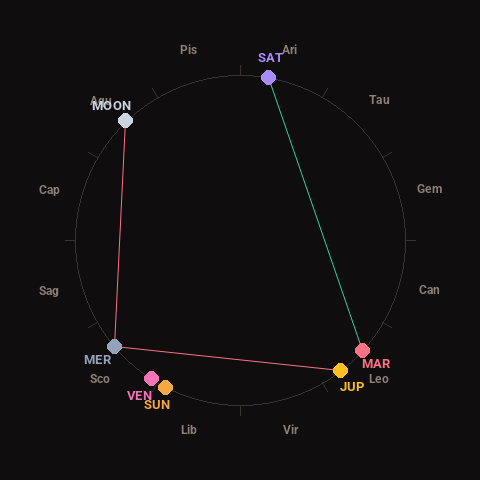
Moon: First Quarter (67% illuminated), in Aquarius.
Notable planetary angles: Mars trine Saturn (122°), Mercury square Jupiter (87°), Moon square Mercury (87°).
Concurrent space weather: planetary Kp index 1.0; strongest recent solar flare: nothing notable.
This is a factual snapshot, not a claim of cause and effect – researchers are divided on whether lunar, planetary or solar factors influence seismic or weather activity. It’s included so readers can track the pattern for themselves over time.