
The U.S. State Department has raised its travel advisory for the Democratic Republic of the Congo (DRC) to Level 4, the highest level, meaning “Do Not Travel.” The advisory cites a combination of risks: an ongoing Ebola outbreak, crime, civil unrest, terrorism, and kidnapping. This is the first change to the DRC’s advisory level that we have tracked.
The most immediate practical impact involves air travel. Because of the Ebola outbreak, the Department of Homeland Security has put new restrictions in place under Title 49 of the U.S. Code. U.S. citizens and nationals who have been in the DRC at any point within the past 21 days will not be allowed to board commercial flights bound for the United States. Airlines are responsible for enforcing this at check-in, so affected travelers will be stopped before boarding, not on arrival.
Who is affected
Anyone currently in the DRC, anyone who has transited or stayed there in the last three weeks, and anyone with upcoming travel plans to the country. The 21-day window corresponds to Ebola’s maximum incubation period — the time between exposure and when symptoms can appear. Family members awaiting someone’s return from the region should be aware that travel home may be delayed until the 21-day window has passed.
What to keep in mind:
1. If you have upcoming travel to the DRC, contact your airline or travel provider now about rebooking or refunds — Level 4 advisories typically trigger waiver policies.
2. If you or a family member left the DRC recently, count 21 days from your departure date before attempting to book a U.S.-bound flight, and monitor for fever or flu-like symptoms during that period.
3. U.S. citizens currently in the DRC should enroll in the State Department’s Smart Traveler Enrollment Program (STEP) so the embassy can reach them with updates and assistance options.
This information comes from the U.S. State Department’s travel advisory system and Department of Homeland Security travel restriction notices.
Frequently Asked Questions
I was in the DRC two weeks ago — can I fly home to the U.S.?
Not yet. Under the new DHS restrictions, anyone who has been in the DRC within the past 21 days cannot board a commercial flight to the United States. You will become eligible once 21 days have passed since you left the DRC.
Why 21 days specifically?
Twenty-one days is the maximum incubation period for Ebola — the longest time between exposure to the virus and the appearance of symptoms. If someone remains symptom-free for 21 days after leaving an outbreak area, they are not considered at risk of carrying the infection.
I have a trip to the DRC booked — what should I do?
The State Department's advice is clear: do not travel. Contact your airline or travel provider about cancellations or rebooking, as Level 4 advisories often trigger fee waivers, and check your travel insurance policy for coverage terms.
Does this advisory affect countries neighboring the DRC?
This specific change applies only to the Democratic Republic of the Congo. However, Ebola outbreaks can lead to screening measures at borders in neighboring countries, so travelers to the wider region should check the current advisory for their specific destination.
Keep tracking this:
Source: U.S. Department of State
Related Reading
Sky & Solar Conditions at the Time
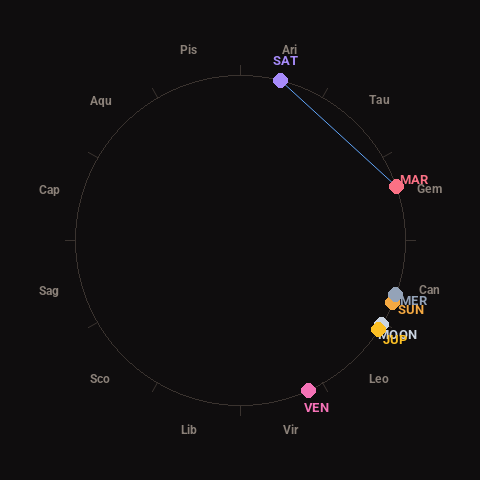
Moon: New Moon (1% illuminated), in Leo.
Notable planetary angles: Moon conjunct Jupiter (2°), Sun conjunct Mercury (3°), Mars sextile Saturn (57°).
Concurrent space weather: planetary Kp index 1.0; strongest recent solar flare: nothing notable.
This is a factual snapshot, not a claim of cause and effect – researchers are divided on whether lunar, planetary or solar factors influence seismic or weather activity. It’s included so readers can track the pattern for themselves over time.