
Significant flooding has been ongoing in China since July 31, 2026, and the event remains active as of the latest update on September 21, 2026. The Global Disaster Alert and Coordination System (GDACS), run by the EU Joint Research Centre, has classified this as an Orange alert – its second-highest severity level, indicating a disaster with major humanitarian impact that may require regional or international assistance.
The numbers are sobering: at least 6 people have died and approximately 399,045 people have been displaced from their homes. That displacement figure – roughly the population of a mid-sized city – points to widespread inundation, likely affecting homes, farmland, roads, and local services across the impacted regions.
What readers might notice
For those with family, business ties, or travel plans in China, the practical effects can include closed roads and rail lines, delayed or cancelled trains and flights in affected provinces, disrupted power and water service in flooded districts, and crowded temporary shelters. Even outside the flooded zones, supply chains moving through affected areas may see delays.
Flooding of this scale also brings secondary risks that persist after water levels peak: contaminated drinking water, mold in damaged buildings, unstable ground and landslides in saturated hillsides, and standing water that can linger for weeks in low-lying areas.
Sensible watch-items:
1. If you have contacts in affected regions, check in and confirm they have access to clean water and a safe place to stay – boiling or bottling water is a standard precaution after flooding.
2. Travelers should monitor transport schedules closely and avoid driving through flooded roadways; even shallow moving water can sweep away a vehicle.
3. Watch for follow-on hazards such as additional heavy rain, dam or levee stress, and waterborne illness advisories in the coming weeks, as recovery from a flood of this duration takes time.
Data for this alert comes from GDACS, the EU Joint Research Centre’s Global Disaster Alert and Coordination System, which aggregates official disaster reporting worldwide.
Frequently Asked Questions
Is this flood still happening?
Yes. The event began July 31, 2026, and was still ongoing as of the last update on September 21, 2026 – an unusually long-duration flooding event.
What does an Orange alert from GDACS mean?
Orange is GDACS's second-highest severity level, meaning the disaster has a significant humanitarian impact and may require regional or international response.
How many people have been affected?
At least 6 deaths have been reported, and approximately 399,045 people have been displaced from their homes, indicating very widespread inundation.
I'm traveling to China soon – should I be concerned?
Check conditions for your specific destination, as impacts vary by region. Expect possible transport delays in affected provinces, and never attempt to cross flooded roads.
Keep tracking this:
Source: GDACS (EU Joint Research Centre)
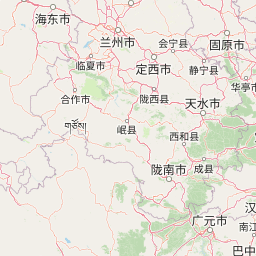
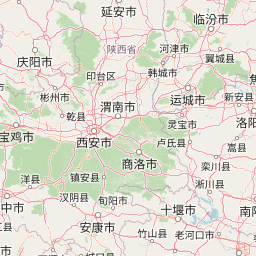
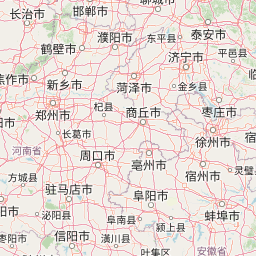
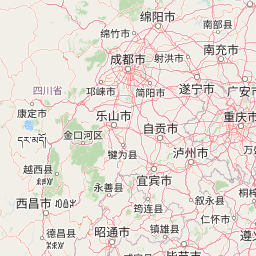
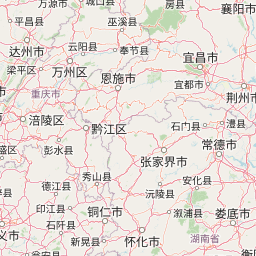
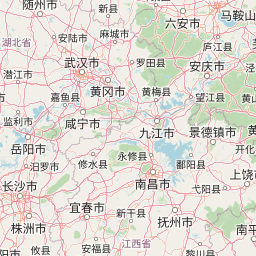
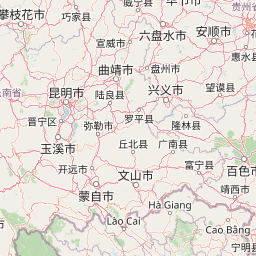
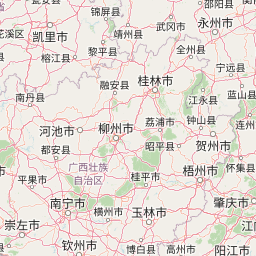
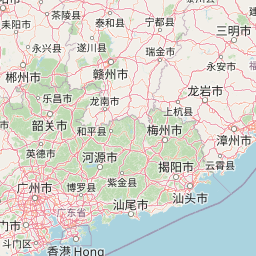
Map centered on the epicenter (31.30, 108.48). Map data © OpenStreetMap contributors.
Sky & Solar Conditions at the Time
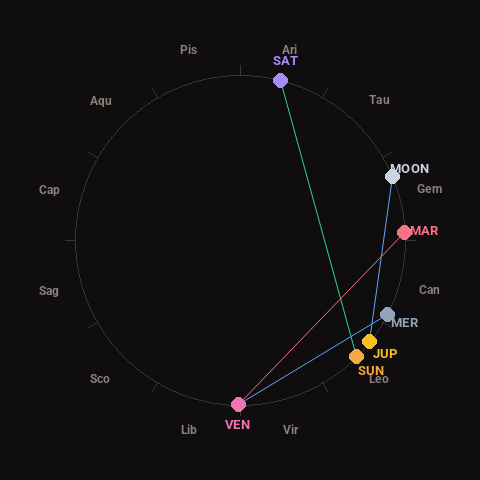
Moon: Waning Crescent (31% illuminated), in Gemini.
Notable planetary angles: Sun trine Saturn (121°), Moon sextile Jupiter (61°), Venus square Mars (93°), Mercury sextile Venus (64°).
Concurrent space weather: planetary Kp index 1.0; strongest recent solar flare: nothing notable.
This is a factual snapshot, not a claim of cause and effect – researchers are divided on whether lunar, planetary or solar factors influence seismic or weather activity. It’s included so readers can track the pattern for themselves over time.