
The U.S. State Department has raised its travel advisory for Gaza to Level 4: Do Not Travel, the highest warning tier the department issues. The advisory cites terrorism, civil unrest, and limited health infrastructure as the primary reasons for the escalation. Level 4 means the U.S. government believes there is a significant risk to life and that travelers should not go to the area under any circumstances.
Under the updated advisory, U.S. government employees are prohibited from traveling to Gaza for any reason due to safety risks. The State Department also notes that it is unable to provide routine or emergency consular services to U.S. citizens in Gaza – meaning if an American were injured, detained, or otherwise in trouble there, the government could not send help or arrange assistance the way it normally would abroad.
The advisory warns that terrorist groups, lone-actor terrorists, and other violent extremists continue plotting possible attacks in Gaza. It also highlights that medical facilities in the territory are severely limited, so even a routine injury or illness could become serious without reliable access to care or evacuation.
What this means for readers
For most readers in the U.S., this advisory does not change daily life – it is a formal warning, not a domestic alert. It is most relevant to anyone with family, business ties, or humanitarian work connected to the region, and to travelers planning trips anywhere in the broader Middle East, since regional tensions can affect flights, borders, and security posture in neighboring areas.
Practical pointers: (1) If you have travel planned anywhere in the region, check the current State Department advisory level for each country on your itinerary, as conditions can shift quickly. (2) U.S. citizens abroad or planning travel should enroll in the Smart Traveler Enrollment Program (STEP) so the nearest embassy can reach them in an emergency. (3) If you have family or colleagues in the affected area, establish a regular check-in schedule and know alternative communication methods in case phone or internet service is disrupted.
This alert is based on the U.S. State Department’s official travel advisory for Gaza.
Frequently Asked Questions
What does Level 4: Do Not Travel actually mean?
It is the State Department's highest advisory level, reserved for places with a significant risk to life. It is a strong official warning against all travel, not a legal ban for private citizens, but it means the U.S. government cannot assist you there.
Can the U.S. government help Americans currently in Gaza?
No – the advisory states the U.S. government cannot provide routine or emergency consular services in Gaza, and U.S. government employees are prohibited from traveling there. Americans in the area are urged to leave if it is safe to do so.
Does this advisory affect travel to other countries in the region?
This advisory applies specifically to Gaza, but neighboring countries and territories have their own separate advisory levels. Anyone planning regional travel should check each destination's current advisory before booking or departing.
Will this advisory change soon?
Travel advisories are reviewed and updated as conditions change, but Level 4 designations tied to active conflict and terrorism typically remain in place for extended periods. Monitor State Department updates for any changes.
Keep tracking this:
Source: U.S. Department of State
Related Reading
Sky & Solar Conditions at the Time
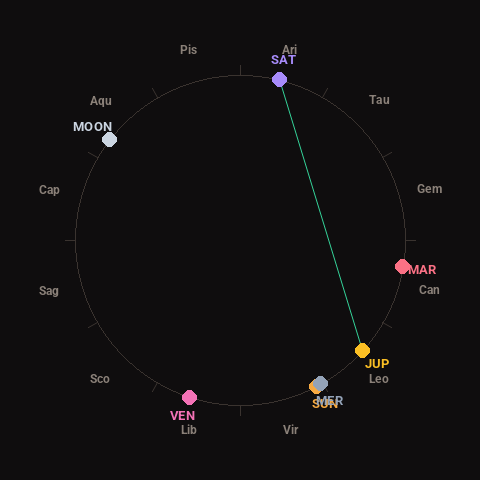
Moon: Waxing Gibbous (95% illuminated), in Aquarius.
Notable planetary angles: Jupiter trine Saturn (118°), Sun conjunct Mercury (2°).
Concurrent space weather: planetary Kp index 0.3; strongest recent solar flare: nothing notable.
This is a factual snapshot, not a claim of cause and effect – researchers are divided on whether lunar, planetary or solar factors influence seismic or weather activity. It’s included so readers can track the pattern for themselves over time.