
The National Weather Service has issued a Flood Warning covering 34 areas across several states, with the alert issued on September 24 at 8:56 PM EDT by the NWS office in Melbourne, Florida. A Flood Warning is the higher tier of flood alerts — it means flooding is already happening or is about to happen, not just that conditions are possible.
The named areas include Lake, Volusia, Citrus, Levy, and Marion counties in Florida; Lincoln County in New Mexico; Gallia and Vinton counties in Ohio; and Braxton and Calhoun counties in West Virginia, with 24 additional areas also covered. Because the warning was issued from the Melbourne, Florida office, the Florida counties — particularly those in the central and north-central part of the state — are likely the focus of the most active flooding, though residents in every listed county should treat the alert as local until confirmed otherwise.
If you live in or near one of these areas, here’s what you might notice: water covering roads, especially low-lying routes, dips, and underpasses; streams, creeks, and drainage ditches running high or spilling over; ponding in yards and parking lots; and in the worst-hit spots, water approaching homes or businesses. Nighttime flooding is especially dangerous because water depth is hard to judge in the dark.
What to do right now
First, never drive through a flooded road. Six inches of moving water can knock a person down, and a foot of water can carry away a car. If you encounter water over the roadway, turn around — this simple rule prevents the majority of flood deaths each year. Second, if you live in a low-lying area, near a creek, or in a known flood-prone spot, move valuables, electronics, and important documents to higher ground and be ready to relocate if water rises. Third, keep your phone charged and a weather radio or alert app active overnight, since flood conditions can change quickly while people are sleeping.
Stay off the roads if you can, keep children and pets away from standing or moving water, and check on neighbors who may need help, especially older adults. This data comes from the National Weather Service, which updates warnings as conditions change.
Frequently Asked Questions
What should I do right now if I'm in one of these counties?
Avoid driving unless necessary, and never cross a flooded road — turn around instead. If you're in a low-lying or flood-prone spot, move to higher ground or an upper floor and keep monitoring local alerts overnight.
How long will this Flood Warning last?
The warning was issued at 8:56 PM EDT on September 24, and warnings like this typically remain in effect until water levels drop below flood stage, which can take anywhere from several hours to a day or more depending on rainfall and drainage. Check for updated statements from your local NWS office.
Is it safe to walk or drive through floodwater?
No. Just six inches of moving water can sweep an adult off their feet, and twelve inches can float a vehicle — and floodwater often hides washed-out pavement, debris, or contamination. Stay out of it entirely.
Why are areas in Ohio, West Virginia, and New Mexico included in a Florida-issued warning?
The NWS Melbourne office issued the alert, but flood warnings can cover multiple jurisdictions when a single system or batch of reports is compiled. Each listed county should treat the warning as applying locally and follow guidance from its own local NWS office.
Keep tracking this:
Source: National Weather Service (NWS)
Related Reading
- Emergency Communication: Staying Connected When Towers Go Down
- Earthquake Survival: Precautions, Kit & Early Warning in 2026
- Essential Guide to Preparing for a Nuclear War
Sky & Solar Conditions at the Time
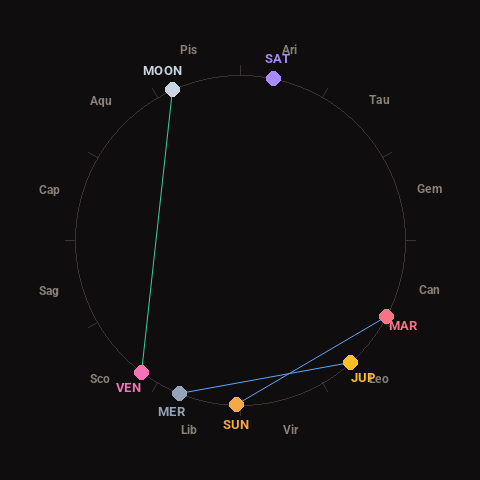
Moon: Waxing Gibbous (95% illuminated), in Pisces.
Notable planetary angles: Moon trine Venus (119°), Mercury sextile Jupiter (63°), Sun sextile Mars (64°).
Concurrent space weather: planetary Kp index 2.7; strongest recent solar flare: nothing notable.
This is a factual snapshot, not a claim of cause and effect – researchers are divided on whether lunar, planetary or solar factors influence seismic or weather activity. It’s included so readers can track the pattern for themselves over time.