
A minor solar radiation storm is underway, according to space weather forecasters. Sensors have measured the flow of high-energy protons from the Sun at 11 proton flux units (pfu) at energies of 10 MeV and above. That puts the event at S1 on NOAA’s five-level solar radiation storm scale, which runs from S1 (minor) to S5 (extreme).
These storms happen when the Sun hurls energetic particles toward Earth, often after a solar flare or eruption on the Sun’s surface. An S1 event is the lowest category, and for the vast majority of people there is nothing to see or worry about. Everyday life on the ground — power, phones, internet, and health — is not affected at this level.
The groups that pay attention to S1 storms are fairly specific: satellite operators, who may see slightly higher rates of minor glitches or increased radiation exposure for equipment; astronauts, particularly any outside Earth’s protective magnetic field; and passengers and crew on flights that cross the polar regions, where radiation levels at altitude can rise modestly. Airlines and space agencies routinely monitor these conditions and adjust if needed.
High-frequency (HF) radio, which is used by some aircraft, ships, and emergency communicators, can also become noisy or unreliable over the polar regions during a radiation storm. If you rely on HF radio in high latitudes, expect some degradation while the storm persists.
What to watch for
For general readers, no action is needed. Sensible watch-items include: keeping an eye on official space weather updates if you have a polar flight scheduled in the next day or two; satellite and space-industry operators following their standard S1 procedures; and HF radio users in polar areas having backup communication options ready. S1 storms typically ease as proton levels fall back toward normal, often within hours to a couple of days.
This information comes from NOAA’s Space Weather Prediction Center, which continuously monitors solar particle levels and issues official alerts.
Frequently Asked Questions
Is this dangerous for people on the ground?
No. Earth's atmosphere and magnetic field protect people at the surface. S1 is the lowest storm level and poses no health risk to the general public.
Should I worry about my flight?
Only flights over the polar regions see a modest radiation increase at S1, and airlines monitor this routinely. Regular flights at lower latitudes are unaffected.
Will this affect my power, phone, or internet?
No. An S1 radiation storm does not cause power-grid problems or knock out consumer communications. Effects are limited mainly to satellites and polar HF radio.
How long will this storm last?
S1 events typically persist for hours to a couple of days before proton levels return to normal. NOAA's Space Weather Prediction Center updates conditions as they change.
Keep tracking this:
Source: NOAA GOES Proton Flux
Sky & Solar Conditions at the Time
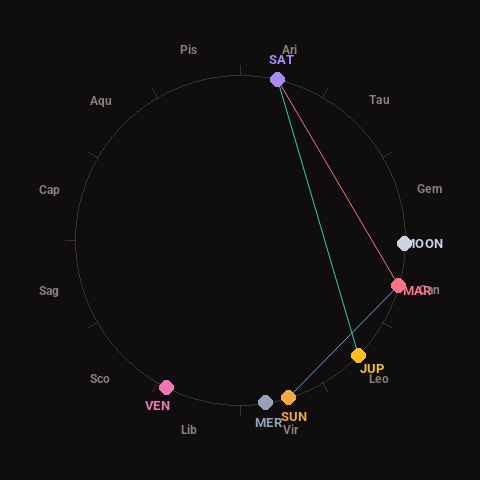
Moon: Last Quarter (34% illuminated), in Cancer.
Notable planetary angles: Jupiter trine Saturn (121°), Mars square Saturn (93°), Sun sextile Mars (57°).
Concurrent space weather: planetary Kp index 1.3; strongest recent solar flare: M1.0-class.
This is a factual snapshot, not a claim of cause and effect – researchers are divided on whether lunar, planetary or solar factors influence seismic or weather activity. It’s included so readers can track the pattern for themselves over time.