
Tens of thousands of PG&E customers across Northern California are without electricity after the utility cut power to parts of its service area. The shutoffs appear to be a deliberate public-safety measure – the kind PG&E uses when dry, windy conditions raise the risk that power lines could spark wildfires – rather than a sudden grid failure.
If you are in an affected area, you may notice your power go out with little or no warning, traffic signals dark at intersections, and some gas stations, ATMs, and stores closed because they cannot run pumps or card readers. Cell service usually keeps working, but home internet and cordless phones will not without backup power. PG&E typically restores power in stages after crews inspect lines for damage, which means some neighborhoods come back hours before others.
What to keep an eye on
Restoration timing: Safety shutoffs can last from several hours to a couple of days depending on weather and line inspections. Check PG&E’s outage map for your specific address rather than relying on county-wide estimates.
Food and medication: Keep refrigerator and freezer doors closed – food generally stays safe about 4 hours in a fridge and 24-48 hours in a full freezer. If you rely on refrigerated medication or powered medical equipment, follow your backup plan or contact your provider.
Safe generator use: If you use a portable generator, run it outdoors only, at least 20 feet from windows and doors. Carbon monoxide from generators sent indoors is one of the leading causes of injury during outages.
This alert is based on outage reporting from PG&E and regional emergency management sources; weather context for the shutoffs comes from the National Weather Service (NWS).
Frequently Asked Questions
Why did PG&E turn the power off on purpose?
PG&E uses Public Safety Power Shutoffs when high winds and dry conditions create a serious wildfire risk from energized lines. De-energizing lines in the highest-risk areas is intended to prevent equipment from sparking fires.
How long until my power is restored?
Restoration depends on when dangerous weather passes and how long line inspections take – typically several hours to 48 hours. Check PG&E's outage map with your address for the most current estimate.
Is this connected to a geomagnetic storm or space weather?
No. These shutoffs are tied to on-the-ground wildfire risk from wind and dry conditions, not to any space-weather event affecting the grid.
Is it safe to stay in my home during the outage?
For most people, yes – the main risks are spoiled food, loss of heating or cooling, and medical devices losing power. Never use generators, grills, or camp stoves indoors, and seek a community resource center if you need power for medical equipment.
Keep tracking this:
Source: KION Central Coast
Related Reading
Sky & Solar Conditions at the Time
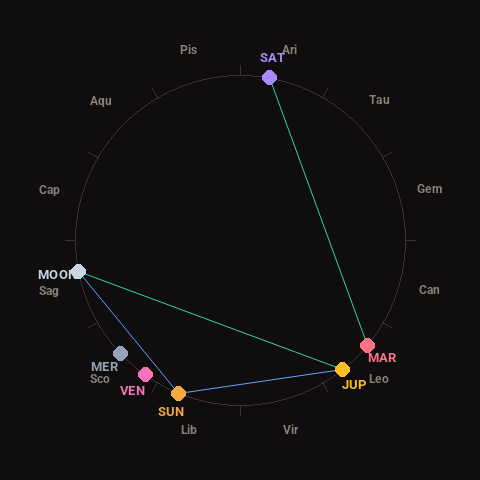
Moon: Waxing Crescent (23% illuminated), in Sagittarius.
Notable planetary angles: Sun sextile Jupiter (60°), Mars trine Saturn (119°), Moon trine Jupiter (117°), Sun sextile Moon (57°).
Concurrent space weather: planetary Kp index 3.0; strongest recent solar flare: nothing notable.
This is a factual snapshot, not a claim of cause and effect – researchers are divided on whether lunar, planetary or solar factors influence seismic or weather activity. It’s included so readers can track the pattern for themselves over time.