
A powerful storm system moving through the Northeast has caused flooding across New York and New Jersey and left tens of thousands of homes without electricity. Utilities in both states are reporting widespread outages as strong winds bring down trees and power lines, while high water is damaging electrical equipment in low-lying areas.
The outages are storm-related – this is not a geomagnetic or space-weather event. The cause is straightforward: saturated soil has made trees more likely to topple onto lines, and wind gusts have snapped poles and pulled down wires. In flooded neighborhoods, some substations and underground equipment have been taken offline, either by water damage or as a precaution by utility crews.
What readers in the region might notice
If you are in the affected area, you may see flickering lights before a full outage, darkened traffic signals, closed gas stations, and spotty cell service if local towers lose backup power. Flooded roads may also slow repair crews, meaning some restorations will take longer than usual. Residents in flood-prone spots should avoid basements with standing water, since submerged electrical panels and appliances are a serious shock hazard.
Utility companies typically prioritize hospitals, emergency services, and the largest clusters of customers first, so restoration times will vary widely by neighborhood. With tens of thousands of homes affected, some customers – especially in rural or heavily damaged areas – could be without power into the coming days.
Sensible steps right now: keep phones and power banks charged, use flashlights rather than candles to reduce fire risk, and keep refrigerator and freezer doors closed – a full freezer holds safe temperatures for roughly 48 hours if unopened. Never run a generator, grill, or camp stove indoors or in a garage because of carbon monoxide danger. Treat every downed power line as live and stay well clear; report it to your utility instead.
If you rely on powered medical equipment, contact your utility to register as a priority customer and consider relocating temporarily if your outage is expected to be prolonged. Check on elderly neighbors and those without transportation once conditions allow.
Outage and weather data for this event come from the National Weather Service and regional utility reports.
Frequently Asked Questions
How long until my power is restored?
With tens of thousands of homes out and flooding slowing repair crews, times will vary – many customers are typically restored within hours to a day, but heavily damaged or hard-to-reach areas could take several days. Check your utility's outage map for an estimate specific to your address.
Is this outage connected to space weather or a geomagnetic storm?
No. These outages were caused directly by the storm's wind, falling trees, and flooding of electrical equipment in New York and New Jersey – not by geomagnetic activity.
Is it safe to stay in my home during the outage?
Generally yes, as long as you avoid flooded basements (shock risk), use battery lighting instead of candles, and never run generators or grills indoors. If your home is flooding or you depend on powered medical devices, consider relocating to a shelter or a friend's home with power.
Should I report my outage, or does the utility already know?
Report it – utilities use customer reports to pinpoint damage, and your call helps confirm the extent of the outage. Also report any downed lines immediately and stay far away from them.
Keep tracking this:
Source: ForumDaily New York
Related Reading
Sky & Solar Conditions at the Time
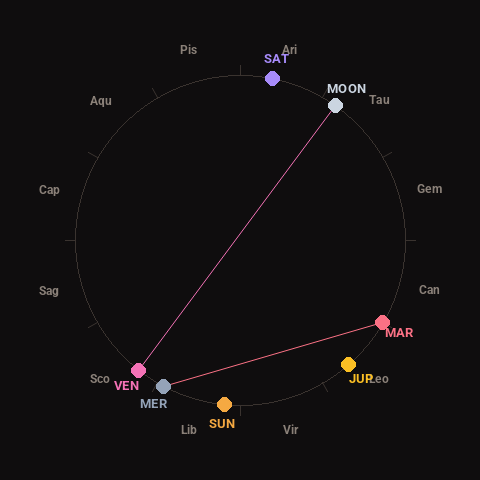
Moon: Waning Gibbous (93% illuminated), in Taurus.
Notable planetary angles: Moon opposite Venus (178°), Mercury square Mars (87°).
Concurrent space weather: planetary Kp index 2.0; strongest recent solar flare: nothing notable.
This is a factual snapshot, not a claim of cause and effect – researchers are divided on whether lunar, planetary or solar factors influence seismic or weather activity. It’s included so readers can track the pattern for themselves over time.