
GOES satellites detected an M1.0-class solar flare on the Sun today, peaking at 15:18 UTC on September 5, 2026. The flare’s X-ray flux measured 1.0e-5 W/m², which puts it at the low end of the ‘M’ (moderate) category — roughly an R1, or minor, event on the radio-blackout scale.
Solar flares release a burst of energy that travels at the speed of light and reaches Earth in about eight minutes. When one occurs, it can briefly disrupt high-frequency (shortwave) radio communications on the sunlit side of Earth. For an M1.0 event, any such disruption is expected to be minor and short-lived — mostly noticeable to ham radio operators, mariners, and aviators who rely on shortwave signals, not to the general public.
Everyday readers are unlikely to notice anything at all. Cell phones, home internet, broadcast radio, and television are not affected by a flare of this size. There is no radiation hazard to people on the ground — Earth’s atmosphere absorbs the energy well before it reaches the surface.
What to watch next
The main question now is whether this flare launched a coronal mass ejection (CME) — a cloud of solar material — toward Earth. If it did, that material takes one to three days to arrive and could trigger a geomagnetic storm. Forecasters will be analyzing satellite imagery over the coming hours to determine if a CME is Earth-directed.
Sensible watch-items:
1. Keep an eye on the Kp index (a 0–9 measure of geomagnetic activity) over the next one to three days. Values of 5 or higher indicate a geomagnetic storm.
2. If you use shortwave radio for communication, expect possible brief signal degradation on the dayside of Earth today.
3. If a CME is confirmed and a storm develops, strong events can occasionally bring auroras to unusually low latitudes — a possible bonus for skywatchers, not a cause for alarm.
This alert is based on data from NOAA’s GOES satellites and the NOAA Space Weather Prediction Center.
Frequently Asked Questions
Is an M1.0 solar flare dangerous to people?
No. Earth's atmosphere absorbs the flare's energy before it reaches the surface. M-class flares are moderate events and pose no direct health risk on the ground.
Will this affect my phone, internet, or power?
Not from the flare itself. An M1.0 event can only cause brief, minor shortwave radio fading on the sunlit side of Earth. Cell networks, internet, and the power grid are unaffected by a flare of this size.
Could a bigger storm still be coming from this?
Possibly. If the flare launched a coronal mass ejection (CME) toward Earth, it could arrive in one to three days and cause a geomagnetic storm. Forecasters are analyzing satellite data now; watch the Kp index over the next few days.
What would I actually notice if a geomagnetic storm follows?
Most people would notice nothing. Depending on storm strength, you might see auroras farther from the poles than usual, and operators of shortwave radio or sensitive satellite systems may see some disruption.
Keep tracking this:
Source: NOAA GOES X-ray Flux
Sky & Solar Conditions at the Time
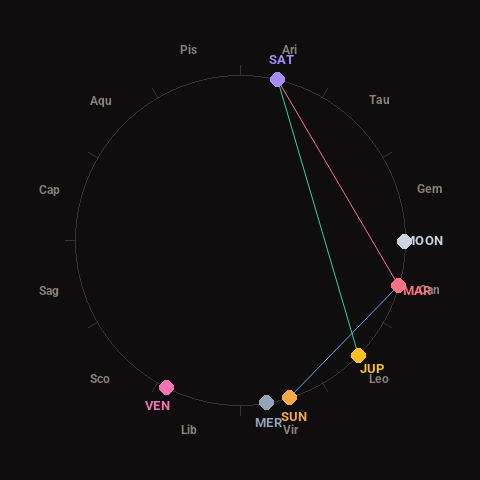
Moon: Last Quarter (35% illuminated), in Cancer.
Notable planetary angles: Jupiter trine Saturn (121°), Mars square Saturn (93°), Sun sextile Mars (57°).
Concurrent space weather: planetary Kp index 1.3; strongest recent solar flare: M1.0-class.
This is a factual snapshot, not a claim of cause and effect – researchers are divided on whether lunar, planetary or solar factors influence seismic or weather activity. It’s included so readers can track the pattern for themselves over time.