
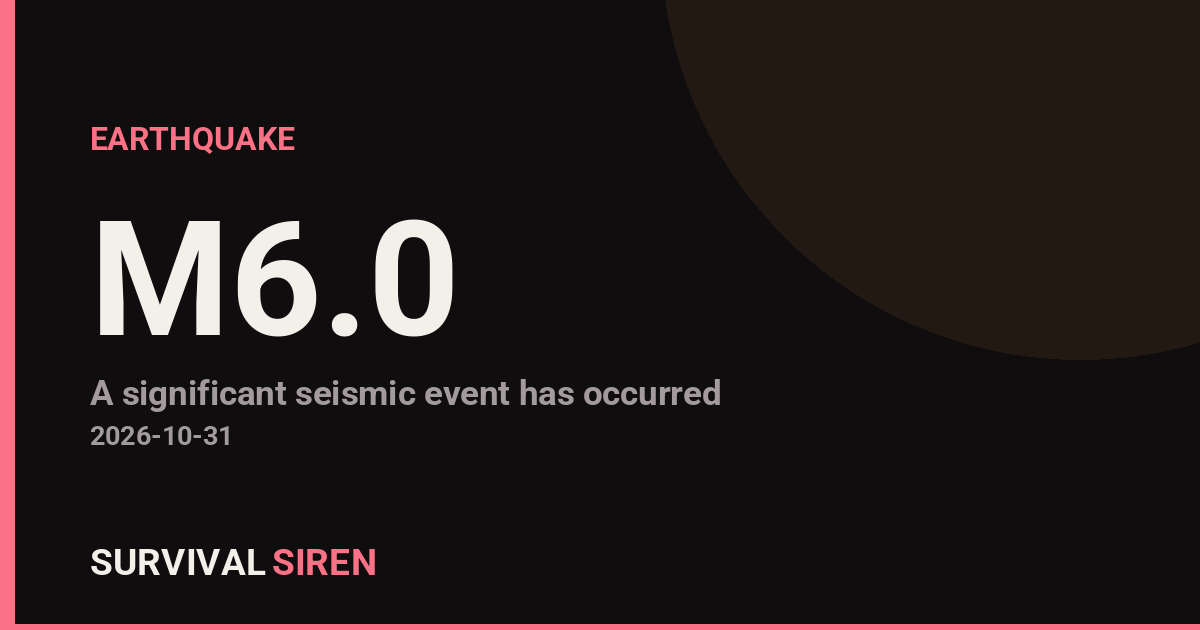
A magnitude 6.0 earthquake struck 58 kilometers south-southeast of Shima, Japan, according to the USGS. The key detail in this event is its depth: the quake occurred roughly 352 kilometers underground, making it a deep-focus earthquake.
Depth matters a great deal. Deep earthquakes release their energy far below the surface, so by the time the shaking reaches people above, it has spread out and weakened considerably. Instead of intense, localized damage, deep quakes tend to produce gentle, rolling shaking felt across a very wide area — sometimes hundreds of kilometers from the epicenter. That means people in Osaka (about 167 km away, population roughly 19 million), Nagoya, and even the Tokyo region may have felt a light swaying sensation, especially in taller buildings where upper floors amplify slow, long-period motion.
Significant structural damage from this event is unlikely. While magnitude 6.0 sounds large, the damage potential quoted for shallow quakes of this size applies near the epicenter at the surface — and the nearest surface point to this quake is over 350 km above it. This region of Japan, near the Izu-Bonin subduction zone, is seismically active: this is at least the seventh magnitude 5.0+ earthquake recorded within about 300 km of this location in the past year.
What to keep in mind
No tsunami risk: Deep-focus earthquakes at 350+ km depth do not displace the seafloor, so a tsunami is not expected from this event.
Aftershocks are less of a concern: Deep earthquakes typically produce far fewer and weaker aftershocks than shallow ones. No damaging follow-up sequence is anticipated.
If you felt shaking: Check for any items that may have shifted or fallen, especially on shelves, but widespread damage is not expected. This is a good reminder for residents of Japan to keep basic quake readiness — secured furniture, a go-bag, and knowing your evacuation area — up to date.
Data for this alert comes from the United States Geological Survey (USGS).
Frequently Asked Questions
Was this earthquake felt in Osaka or other major cities?
Possibly, yes. Deep earthquakes produce long-period shaking that travels far, so people in Osaka (~167 km away) and other cities across Honshu may have felt a gentle, swaying motion, particularly on upper floors of tall buildings.
Is a tsunami possible from this earthquake?
No. Tsunamis require shallow quakes that shift the seafloor. At roughly 352 km deep, this earthquake occurred far too far underground to displace any water.
Are aftershocks likely?
Deep-focus earthquakes produce very few aftershocks compared to shallow ones. Any that do occur would also be deep and unlikely to cause damage at the surface.
A magnitude 6.0 sounds serious — should I be worried about damage?
The depth is the reassuring factor here. Energy from a quake 352 km down is greatly diminished before reaching the surface, so significant damage is unlikely, though the event data correctly notes quakes of this size can be damaging when they occur at shallow depths near vulnerable structures.
Keep tracking this:
Source: USGS
Related Reading
- Bug Out Bags: What the Best-Selling 72-Hour Kits on Amazon Actually Deliver
- Top 10 YouTube Videos on How to Prepare for an Earthquake
- Global Seismic Stress Report: Southern Ocean Activity Rises While Six Segments Go Quiet
Reported Impact
6 people have reported feeling this quake to USGS’s “Did You Feel It?” system so far; the maximum reported shaking intensity is 2.8 on the Community Decimal Intensity scale; USGS’s automated PAGER system currently estimates a Green alert level (minimal expected casualties or damage).
Impact figures are from USGS as of when this alert was generated and can rise as more reports come in – this is not a final damage assessment.
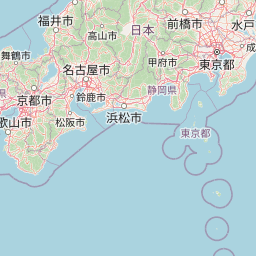


Map centered on the epicenter (33.82, 136.99). Map data © OpenStreetMap contributors.
Sky & Solar Conditions at the Time
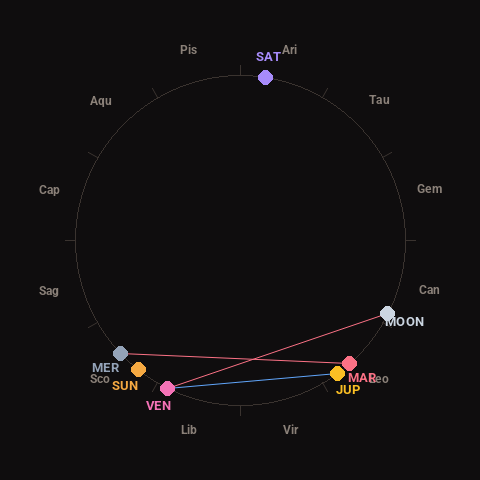
Moon: Last Quarter (60% illuminated), in Cancer.
Notable planetary angles: Moon square Venus (89°), Mercury square Mars (88°), Venus sextile Jupiter (62°).
Concurrent space weather: planetary Kp index 6.0; strongest recent solar flare: nothing notable.
This is a factual snapshot, not a claim of cause and effect – researchers are divided on whether lunar, planetary or solar factors influence seismic or weather activity. It’s included so readers can track the pattern for themselves over time.
Earthquakes Within ~400 km, Past 30 Days
For context, here is other recent seismic activity in the surrounding region (M2.5+, via USGS):
| Date & Time (UTC) | Magnitude | Location |
|---|---|---|
| 2026-10-28 18:32 UTC | M4.7 | 6 km N of Asahi, Japan |
| 2026-10-28 15:07 UTC | M5.5 | 5 km ESE of Asahi, Japan |
| 2026-10-27 01:17 UTC | M4.6 | 203 km SSE of Tateyama, Japan |
| 2026-10-21 01:04 UTC | M4.5 | 2 km N of Honchō, Japan |
| 2026-10-15 05:10 UTC | M4.2 | 9 km W of Ōami, Japan |
| 2026-10-11 16:24 UTC | M4.7 | 4 km SE of Narutō, Japan |
| 2026-10-07 19:36 UTC | M4.5 | 1 km SSW of Tokorozawa, Japan |
| 2026-10-07 19:13 UTC | M4.9 | 6 km SSW of Asahi, Japan |
| 2026-10-06 10:53 UTC | M4.6 | 3 km SE of Fujisawa, Japan |
| 2026-10-01 21:01 UTC | M4.5 | 3 km ESE of Sugito, Japan |
| 2026-10-01 12:27 UTC | M5.2 | 0 km ENE of Yokoshiba, Japan |
Emergency number for Japan: 110 (police) / 119 (fire & ambulance) (General guidance – always verify locally, as this can vary by region.)